COMPANION ANIMALS
 EQUINE
 Farm Animals




Increase your knowledge with this eclectic collection of science-focused snippets, articles, video summaries and papers aimed at keeping you in the picture!
Scientific Snapshots


Watch Dr. Nigel Gumley, Canadian veterinarian and Diplomate of the American Board of Veterinary Practitioners (Canine/Feline), as he talks about the recently published INTERNATIONAL SOCIETY FOR COMPANION ANIMAL INFECTIOUS DISEASES (ISCAID) guidelines for the diagnosis and management of bacterial urinary tract infections in dogs and cats. In this video, he explains why these guidelines were created, what information is available in the document, and how practical these guidelines are for...

Effective veterinary-client communication is paramount, especially when discussing the deep attachment that forms between family members and their pets, as well as how pets occupy an important place in the family.
Encouraging and clarifying client perceptions and expectations to provide recommendations tailored to each family are critical components when it comes to client-centric communication.
When clients feel included and understood, they feel a higher level of satisfaction towards their...

Histological changes in neutered cats' extra-urethral tissue may hold the answer. Feline lower urinary tract disease (FLUTD) is common in cats, and is a common reason for presentation to a veterinary clinic. Urethral obstruction is frequently seen in male FLUTD patients, and is a common cause for emergent presentation to a clinic.
Previous studies have documented that neutered male cats are more likely than intact males to suffer from urethral obstruction, but no reason for this difference...
Sponsored by


Study finds that body condition score may have an even greater effect Since the only way dogs can thermoregulate is by evaporating water from moist mucous membranes, it seems logical that brachycephalic dogs would be less efficient than non-brachycephalic dogs at dissipating heat during times of heat stress.
Many of us caution owners of brachycephalic dogs about the specific hazards of heat exposure in those breeds. In addition, many airlines refuse to allow brachycephalic dogs (and cats) to...
Sponsored by

Though preventable with appropriate vaccination protocols, parvoviral enteritis is still seen frequently in clinical practice. Treatment for these cases typically involves hospitalization, intravenous fluids, antimicrobial therapy to protect against intestinal-origin bacteremia, antiemetics, and early feeding. Some cases require plasma transfusions and other treatments. In-patient treatment of parvoviral enteritis is quite expensive, and care is often declined by clients because of cost. The...
Sponsored by

In 2017, Drs. Michelle Evason and Scott Weese launched the Canadian K9 Lifetime Study in response to questions, frustrations and uncertainties surrounding Lyme disease and other vector-borne diseases in dogs.
In this video, Dr. Evason explains how the study aims at filling the gaps in the limited data available on canine Lyme disease by following a group of puppies, and their owners, who live in high risk and emerging risk areas across Canada over the normal course of their lifetime together....

Watch Drs. Liz O’Brien and Kelly St. Denis, as they discuss how to help clients live with their clawed cats. In this video, they share their view on the medical and behavioural issues that may be associated to cat declawing and explain how to warn cat owners about the possible risks and long-term side effects of this procedure. They also describe various alternatives and resources available to redirect normal feline scratching behaviour. For more information on nail care and declawing, visit...
Sponsored by

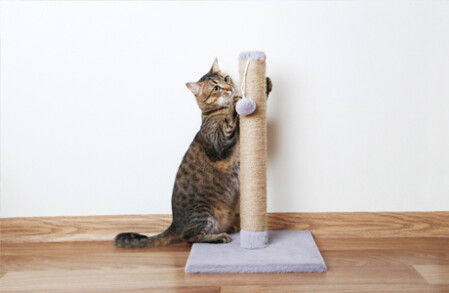
Declawing of cats is illegal in many industrialized countries, but is still a common elective procedure in Canada and the United States.
Anecdotal reports of behavioural abnormalities in declawed cats exist, but no large studies have been performed to link previous declawing with medical or behavioural issues in cats following the procedure.
The study highlighted in this Scientific Snapshot evaluated a large number of cats to determine if there was a link between previous onychectomy and...
Sponsored by
Gastrointestinal (GI) bleeding can be a cause of both acute and chronic blood loss in all species, and may be a cause of the chronic anemia that is a common problem in small animal patients. GI blood loss can be massive and lead to marked acute anemia with melena, or it can be of lower grade and lead to a chronic low-grade anemia (often iron deficiency anemia).
In humans and dogs, fecal occult blood testing via various methods (most often Hemoccult tests) have been evaluated and validated for...
Sponsored by